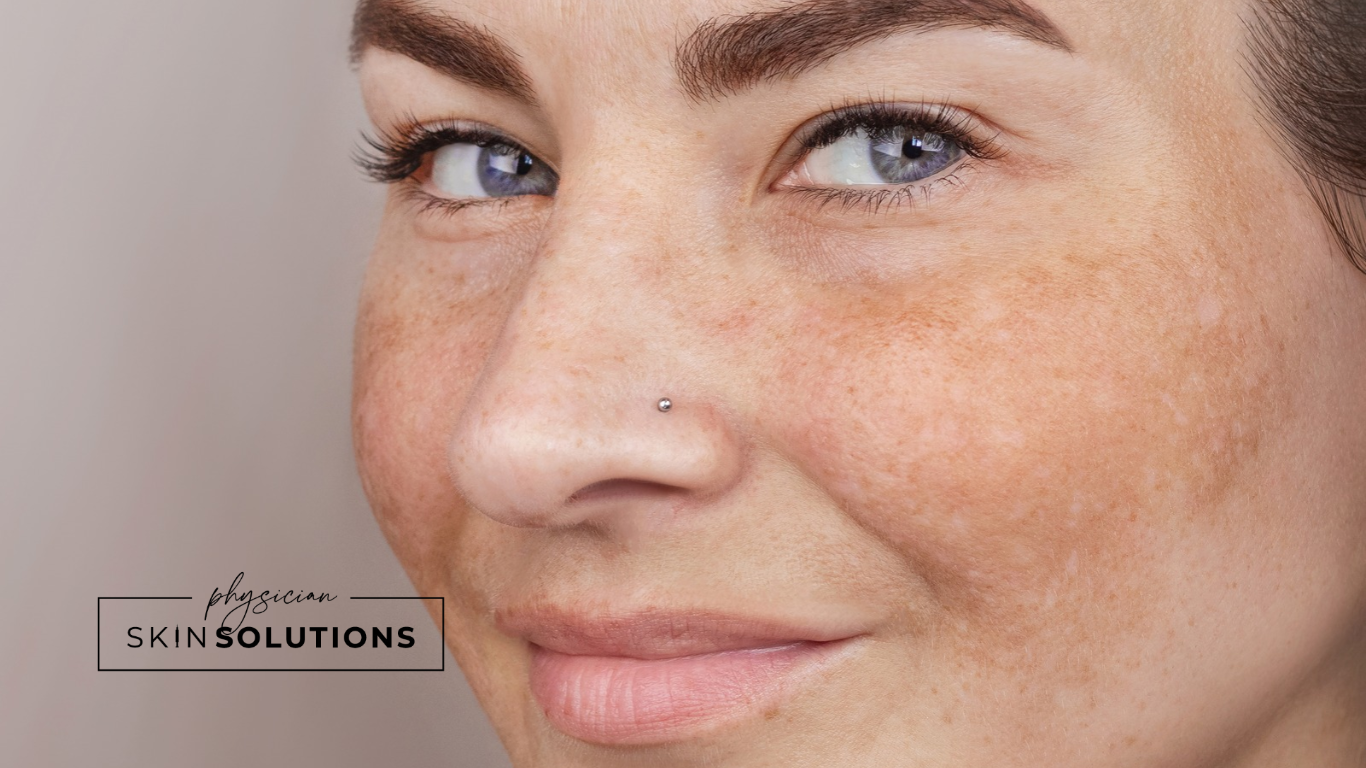
What Is Melasma and Why Is It So Hard to Treat?
Most people treating melasma are going about it in a way that’s almost guaranteed to make it worse. Not because they made a reckless decision. Because melasma behaves in a way that defies the logic most of us apply to skin problems.
We think: if something is causing a dark patch, address it directly and aggressively. With melasma, that instinct is exactly backward.
Understanding what melasma actually is, and why it’s different from the other kinds of pigment patients deal with, is the most useful thing you can do before you start treating it. Everything else flows from that.
What is Melasma, Actually?
Melasma is not accumulated sun damage. It looks like sun damage, it often shows up on sun-exposed areas, and UV exposure makes it worse. But the underlying mechanism is different, and that difference changes everything about how it should be treated.
Sun spots and age spots are stable pigment. The melanocytes that produced them fired at some point in the past, deposited pigment, and settled. The damage is essentially done. You can target those spots directly and clear them.
Melasma involves melanocytes that are actively hyperactive. They are oversensitive to UV exposure, visible light, heat, and hormonal signals, and they respond to those inputs by continuously overproducing pigment. The patches are usually larger and more diffuse than sun spots, often appearing symmetrically across both cheeks, the forehead, or the upper lip. The pattern itself is a clue.
That hyperactivity is also why melasma flares. A sun spot doesn’t get temporarily darker in summer and lighter in winter. Melasma does, because the melanocytes producing it are still responding to triggers in real time.
| Sun Spots and Age Spots | Melasma | |
| Melanocyte behavior | Stable. Fired in the past, settled. | Hyperactive. Continuously overproducing pigment. |
| Appearance | Discrete, defined spots | Diffuse, often symmetrical patches |
| Responds to heat | Generally not reactive | Yes. Heat alone triggers flares. |
| Responds to hormones | No | Yes. A primary driver. |
| Approach | Target and clear | Gradual suppression, ongoing management |
| Can IPL help? | Yes, in fair to medium skin | Usually not. Can trigger rebound. |
The Three Types of Melasma
Not all melasma sits in the same place, and the type affects how it responds to treatment. This is one of the reasons a careful skin assessment before any treatment begins matters more for melasma than for most other pigment concerns.
| Type | Where It Sits | How It Looks | How Hard to Treat |
| Epidermal | Upper skin layers | Well-defined borders, darker brown | Most responsive |
| Dermal | Deeper in the dermis | Blurry, grayish edges | Most difficult |
| Mixed | Both layers | Combined presentation | Most common. Requires a graduated approach. |
Dermal and mixed melasma are often what’s driving the cases that haven’t responded to previous treatment. The deeper the pigment sits, the more graduated and patient the approach needs to be.
What Triggers Melasma
UV radiation is the most consistent and significant trigger. But it’s not the only one, and for patients in Arizona, understanding the full picture matters.
Heat, independent of UV, is a trigger. Steam rooms, very hot showers, vigorous exercise, and ambient heat can all stimulate the hyperactive melanocytes. In Arizona, this means melasma can flare even when a patient has been meticulous about sunscreen, because the heat is unavoidable.
High-energy visible light, often called HEV or blue light, is a trigger that most patients don’t know about. It comes from screens, indoor lighting, and the visible spectrum of sunlight. Standard sunscreen does not block it. Tinted sunscreen containing iron oxide is the only formula that does.
Hormones are one of the primary drivers of melasma. Birth control pills, pregnancy, hormonal IUDs, and the hormonal shifts of perimenopause are all associated with melasma onset or significant worsening. This is why melasma is dramatically more common in women, and why it’s often called the mask of pregnancy.
Genetics play a role. Patients with a family history of melasma tend to see it appear earlier and more extensively than average. If a parent or sibling has it, the likelihood of developing it is meaningfully higher.
Stress is on the list too, which surprises some patients. Melasma has a vascular and neurogenic component, and chronic stress has been identified as a contributing factor. It’s rarely the primary driver, but it’s worth knowing.
Some medications and medical conditions are also associated with melasma, including certain anticonvulsants and thyroid disorders. If you’ve noticed melasma appearing alongside a medication change, that’s worth discussing at your consultation.
Why Treating It Aggressively Backfires
This is the part that’s genuinely hard to explain at consultations, because it runs counter to how we normally think about skin treatment.
The melanocytes in melasma-affected skin are hyperactive and reactive to stress, heat, and inflammation. When a treatment creates significant thermal energy, inflammation, or surface disruption, the melanocytes interpret that as a signal to produce more pigment. The pigment that follows aggressive treatment isn’t a side effect. It’s the expected biological response of a skin cell that was already primed to overproduce.
This is why IPL, which works beautifully for discrete sun spots on fair skin, can make melasma significantly worse. The heat it generates in the skin is exactly what the hyperactive melanocytes respond to. Patients sometimes come to us after IPL for melasma with their pigment darker and more diffuse than before they started. That outcome is preventable, but only if the right treatment is chosen from the beginning.
More aggressive is not better for melasma. Low and slow, gradual suppression over a series of sessions, is the approach that actually works.
The Most Common Mistake: Treating It Like a Sun Spot
Sun spots can be targeted directly. High-energy light or laser treatment breaks up the pigment, the body clears it, and the result is a cleaner, more even surface. That model works well for stable, discrete pigment damage.
Applying that same model to melasma, using the same devices at the same settings, tends to produce one of two outcomes: temporary improvement followed by rebound, or worsening of the pigment in the treated area. The difference between the two conditions is not subtle on a biological level, even when they look similar on the skin surface.
Melasma requires a provider who can distinguish between the two at your consultation. Treatment plan should flow from that distinction, not from a general ‘pigment protocol.’
What Actually Works
There are two laser approaches with clinical evidence for melasma that are genuinely safe when used correctly. Hollywood Spectra, a Q-switched 1064 nm Nd:YAG laser, is the first short-pulse laser with FDA clearance specifically for melasma. Its laser toning protocol suppresses melanocyte activity without generating the heat that triggers rebound. Zero downtime per session, typically six to twelve sessions for meaningful improvement.
LaseMD Ultra with a Tranexamic Acid ampoule addresses pigment correction and delivers targeted melanin suppression at the cellular level in the same session. Three to five sessions spaced four to six weeks apart for a corrective series. Safe across all skin tones when the correct protocol is used.
For patients with severe or long-standing melasma that hasn’t responded adequately to a laser protocol, oral tranexamic acid is sometimes prescribed as an additional measure. It suppresses melanin production systemically and can make a meaningful difference in resistant cases.
For a full breakdown of how we approach melasma treatment, including which protocol is appropriate for your skin tone and what to expect at each stage, see our dedicated guide to the best laser treatments for melasma in Glendale, AZ.
Sun Protection Is Not Optional
For most skin conditions, sun protection is a recommendation. For melasma, it is the load-bearing foundation of the entire treatment plan. The best clinical protocol available will underperform if the protection isn’t right between sessions.
Two specific points that matter more for melasma than general sun damage: first, SPF 40 or higher, not the 30 that’s often cited as the baseline for general sun protection. Second, the sunscreen needs to be tinted and contain iron oxide. Standard sunscreen blocks UV. It does not block HEV. Tinted formulas with iron oxide block both. For patients with medium to deeper skin tones, where HEV is a more significant melasma trigger, this is non-negotiable.
Reapplication is real. A tinted mineral powder SPF worn over makeup for midday reapplication is a practical solution for patients who can’t realistically reapply a full liquid sunscreen over foundation.
Expert Insight
Dr. Maltais on what she wants melasma patients to understand: “The question I hear most often at a melasma consultation is ‘why isn’t it getting better?’ Usually the answer is that the treatments they’ve tried were designed for a different kind of pigment problem. Once a patient understands what melasma actually is, why it reacts the way it does, and why the approach has to be gradual, the plan we build together makes sense to them. That understanding changes how they take care of their skin between sessions, which is half the treatment.”
Frequently Asked Questions
Is melasma the same as sun damage?
No. They can look similar and often appear in the same areas. But sun spots involve stable pigment from past UV exposure. Melasma involves melanocytes that are actively and continuously overproducing pigment in response to UV, heat, hormones, and visible light. The mechanism is different, the treatment approach is different, and using sun-damage treatments on melasma can make it significantly worse.
Can melasma be cured?
Melasma is a chronic condition. It can be significantly improved and managed to a point where it’s not visible or bothersome, but the underlying tendency doesn’t permanently disappear. Successful management means a good corrective series followed by ongoing maintenance sessions and consistent daily sun protection.
Does melasma get worse in summer?
Almost universally, yes. The increased UV exposure and heat of Arizona summers are two of the primary triggers. Many patients with melasma notice significant improvement over winter and flaring again from spring through fall. Managing sun protection year-round, not just in summer, is the way to break that cycle.
Can melasma appear on the neck or arms?
Most melasma appears on the face. Neck and arm involvement occurs in some patients, particularly brachial melasma, which affects the shoulders and upper arms. The approach to treatment in those areas is similar but may vary. Discuss any off-face pigmentation at your consultation.
Is melasma hormonal?
Hormones are one of the most significant drivers. Birth control pills, pregnancy, and the hormonal shifts of perimenopause are all associated with melasma onset or worsening. If a hormonal change coincided with when your melasma appeared or got significantly worse, that’s worth noting at your consultation because it informs both treatment approach and long-term management.
What’s the difference between melasma and post-inflammatory hyperpigmentation?
Post-inflammatory hyperpigmentation, often called PIH, is the brown mark left after a pimple, a scratch, or any source of skin inflammation. It’s also driven by melanocyte overactivation, but it’s localized to the site of injury and usually temporary. Melasma is a pattern-driven, hormonally influenced condition that doesn’t resolve on its own the way PIH often does. The two conditions can coexist, which is one reason an in-person skin assessment matters before selecting a treatment approach.
If You’re Not Sure What You’re Dealing With, Start Here
Melasma and sun damage look similar on the surface and require different approaches. Starting with the wrong one wastes time and, in some cases, sets you back. A consultation is where we look carefully at your skin, distinguish what type of pigment you’re actually dealing with, and build a plan that addresses it correctly from the first session.
Book your complimentary consultation at our Glendale office. Call or text (602) 843-4040, or book online.